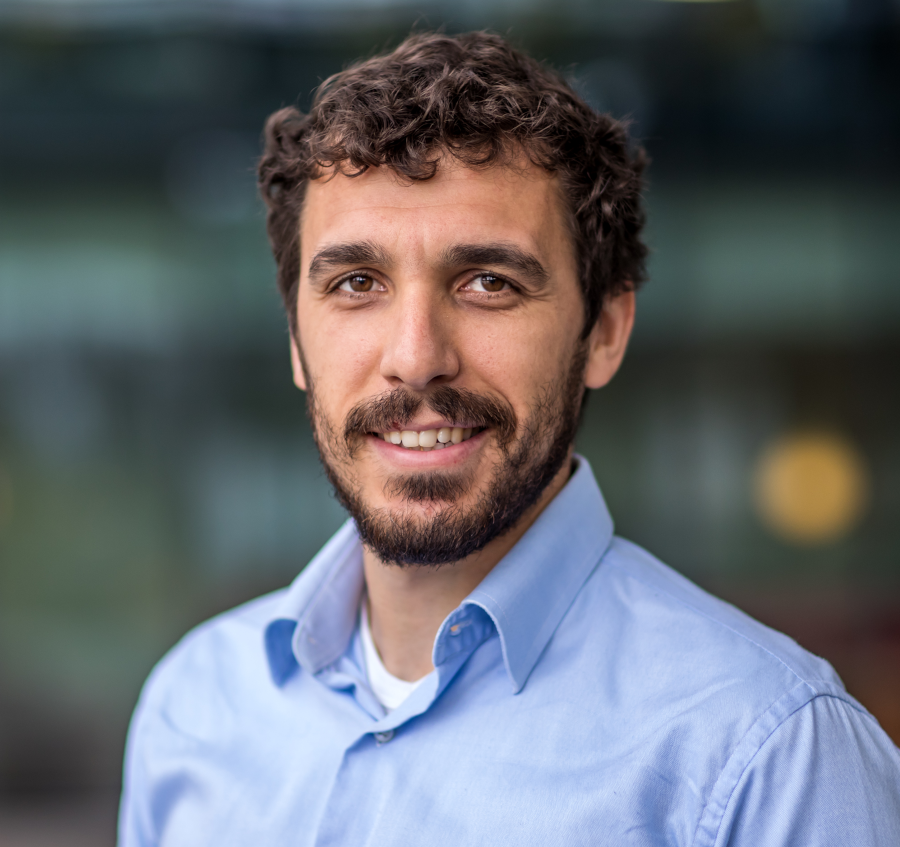
Alessandro Corbetta
Eindhoven University of Technology
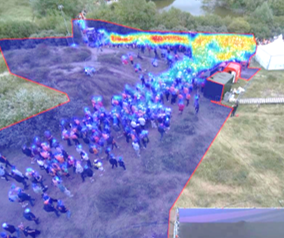
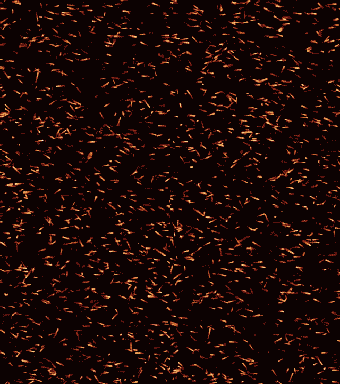
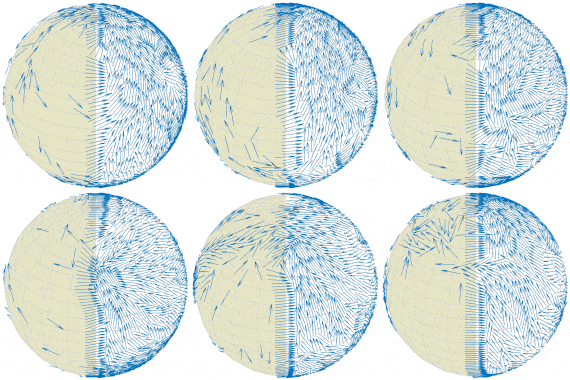
We aim for a quantitative understanding of flows driven by social phenomena such as crowds and traffic. Our goal is to model universal behaviors and statistical features that emerge across ensembles of millions of trajectories.

Alexey V. Lyulin
Eindhoven University of Technology
The research in our group deals with the multiscale modelling of soft matter, focusing on macromolecules, in close connection with experiment and industry. Our main interests include classical computer simulations of both synthetic and bio-inspired polymers and polymer nanocomposites in solution, melt and in a glassy state, by molecular dynamics, Monte Carlo and Brownian dynamics methods. The major emphasis is always on atomic-scale properties of polymer interfaces and their connection to the macroscopic performance; nowadays the attention is shifting toward novel energy-related applications.
Alvaro Marin
University of Twente
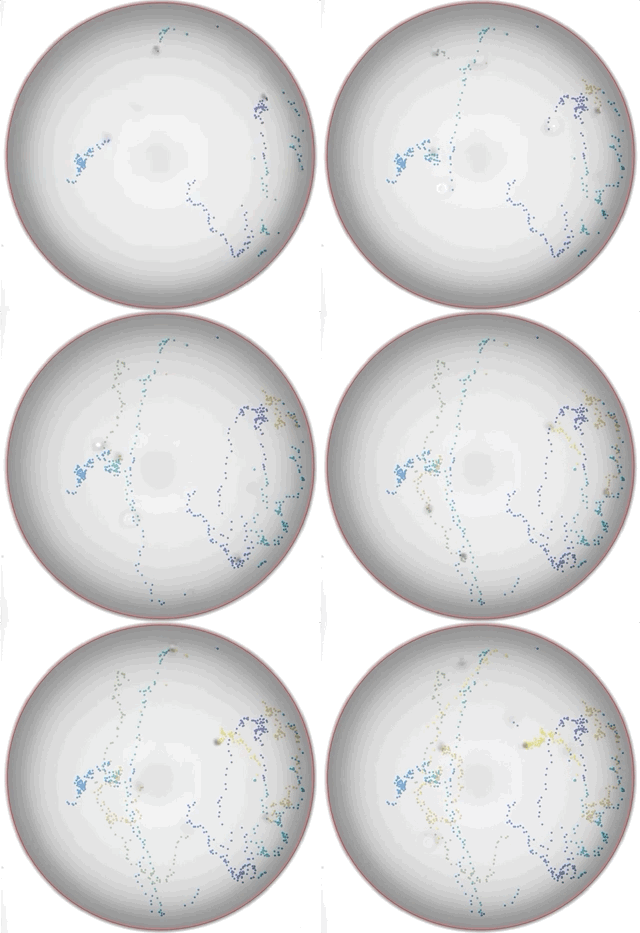
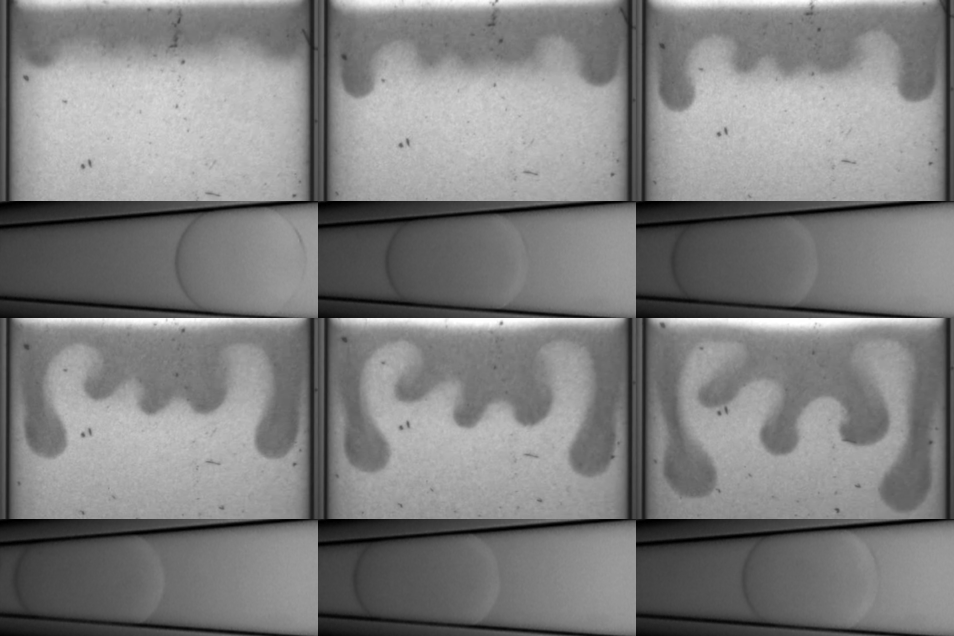
Our group deals with experiments and simulations in some confined soft matter systems as, for example, colloids inside shrinking droplets or microparticles inside microchannels. Although our main drive is experimental, we often work with discrete elements simulations to reproduce the dynamics that we observe in the lab. Our research is mainly driven by curiosity and beauty, but we often end up finding interesting applications in the field of particle filtering and selection, microfluidics, ultra-sensitive detection analytes and photonics.
Andrea Giuntoli
University of Groningen
The foundation of our research is polymer and soft matter physics, which determines the structure-property relationships and functioning of man-made and natural soft materials. We use the knowledge gained from our fundamental research to design and optimize materials for a sustainable future and of biomedical relevance, and we develop new computational models to reach our goals.

Arnout Imhof
Utrecht University
We study concentrated colloidal dispersions subjected to external fields such as gravity, an electric field, or a shear flow. This way we can manipulate the particles to assemble into new structures, to undergo (non-equilibrium) phase transitions, or to form patterns. The 3-dimensional structure and dynamics are studied mainly using confocal microscopy, but also with scattering techniques and rheology. For these experiments new colloidal particles with anisotropic shapes or interactions or with a composite core-shell structure are also developed.

Bas Overvelde
AMOLF
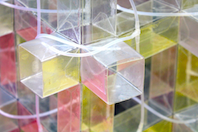
We focus on the design, fabrication and fundamental understanding of materials that are capable of autonomously adapting to – and even harnessing – variations in their environment. We aim to uncover principles that help us understand how non-linearity and feedback can result in the emergence of complex – but useful – behavior in soft actuated systems. To this end, we explore active and sensing elements to implement feedback capabilities and computation in soft architected materials, and use a combination of computational, experimental and analytical tools. This line of research uniquely combines concepts from soft robotics and architected materials, providing new and exciting opportunities in the design of compliant structures and devices with highly non-linear behavior.
Brian Tighe
Delft University of Technology
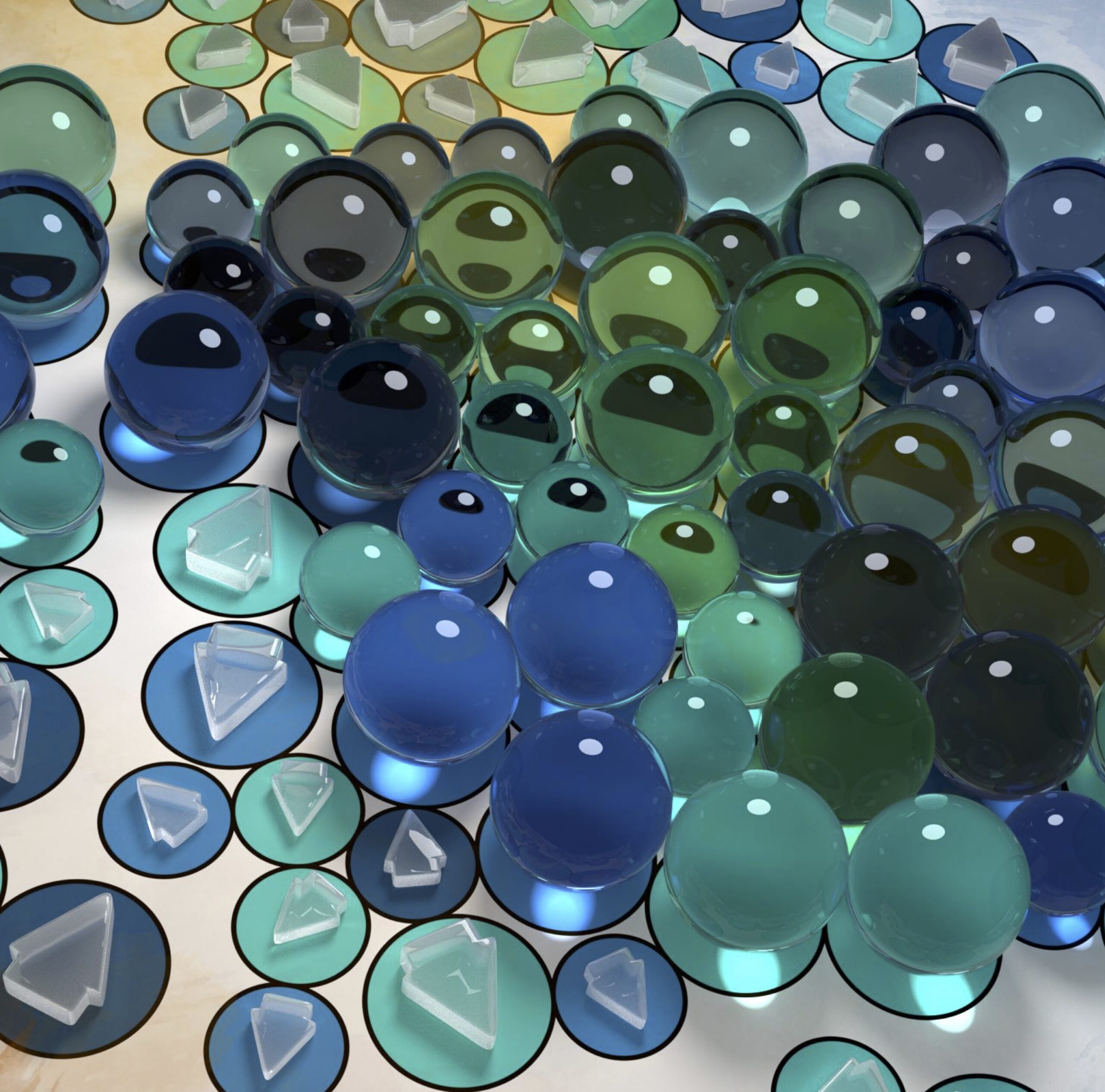
We model the mechanics of emulsions, foams, suspensions, and related soft solids and thick fluids.
Claas Willem Visser
University of Twente
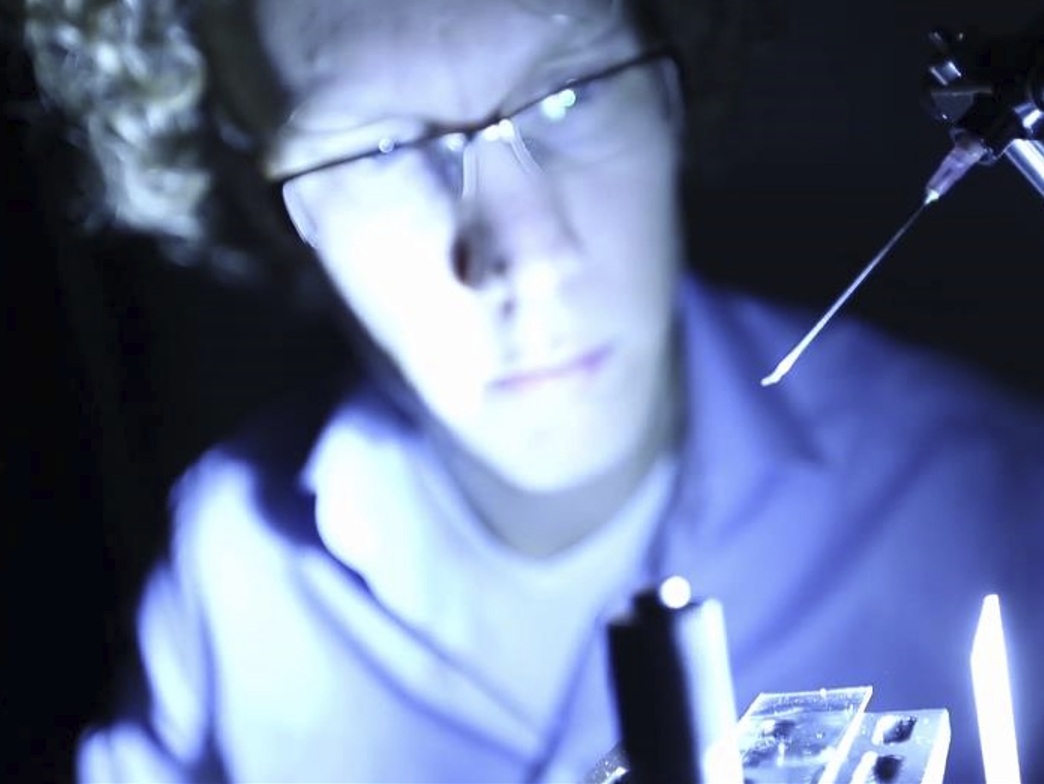
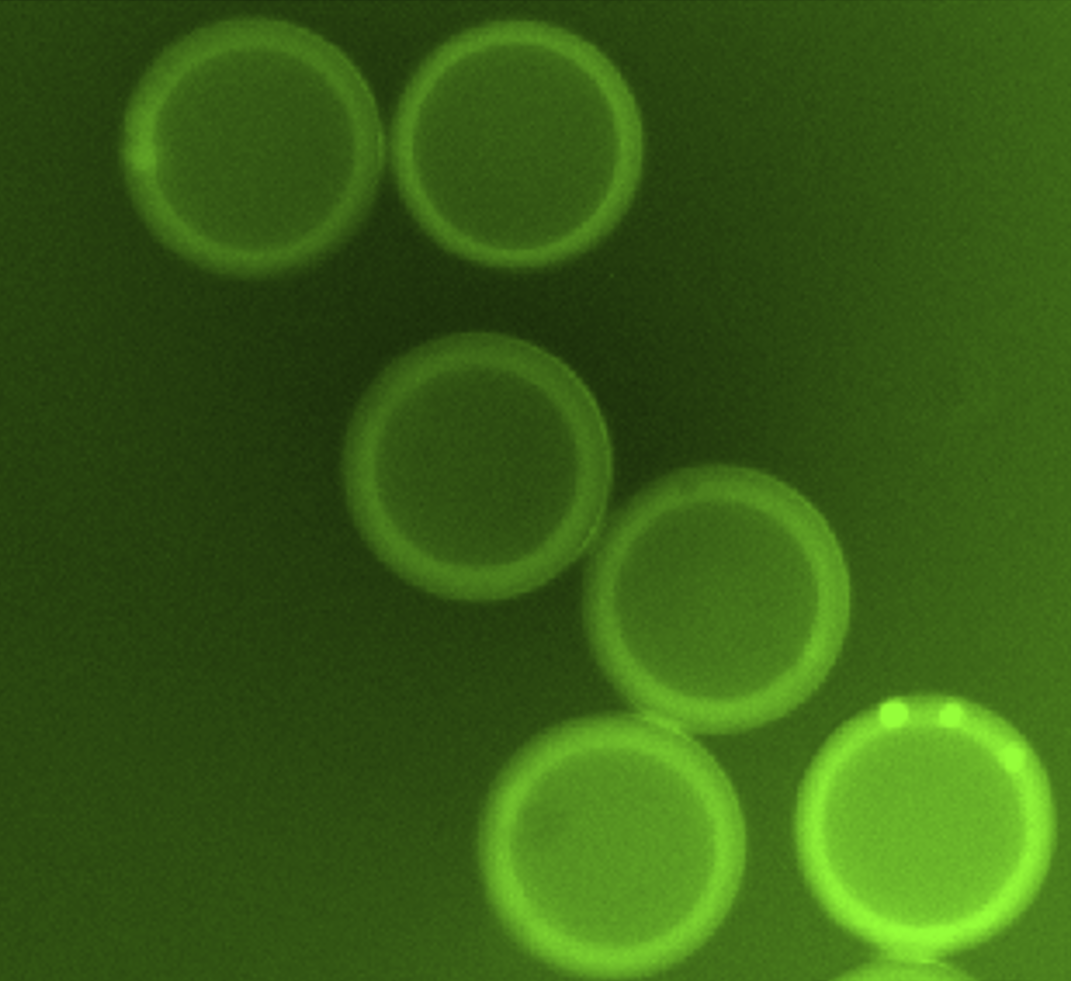
Our research focuses on manipulating fluids in the air to create in new advanced materials. For example, solidification of liquid templates (bubbles or droplets) on-the-fly enables rapid production of tailored soft or solid particles. Alternatively, these particles are directly 3D-printed into complex architectures, such as graded polymer foams. With collaborators, we optimize these materials for advanced functionality in e.g. acoustics, mechanics, biology, chemistry, or pharmacy.
Corentin Coulais
University of Amsterdam
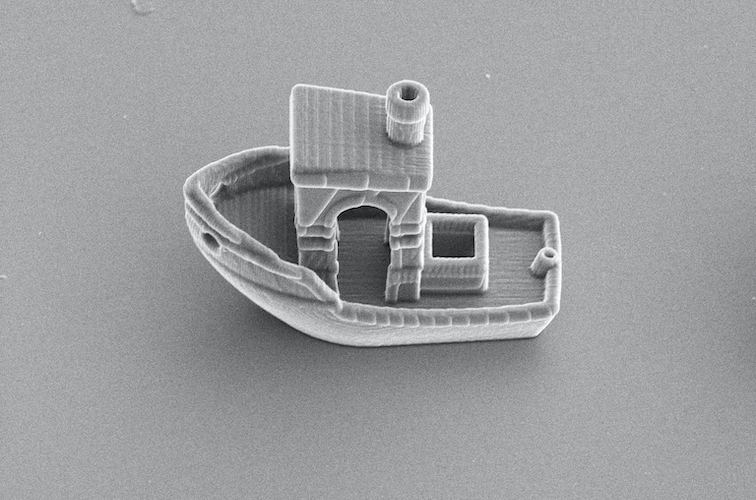
We focus on “machine materials”: artificial materials with programmable and interactive behavior. Using a combination of 3d printing techniques, desktop-scale precision experiments, numerical simulations and theory, we design and investigate materials with novel machine-like properties such as shape morphing or the ability to transmit motion in a single direction only. Such properties are not found in nature and have an impressive range of potential applications, from medical protheses to shock dampers for car and aerospace industries.
Daniela Kraft
Leiden University
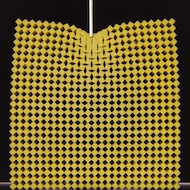
Inspired by the exquisite control and complexity of self-organized living systems, we aim at understanding the fundamental principles necessary for creating functionality and structure at the microscale and translate them to the rational design of next generation materials. We employ simplified experimental and numerical models to systematically investigate the relevant parameters, the assembly pathways, and the resulting (non-)equilibrium behavior and structures. We currently focus on understanding the behavior of active and flexible colloidal structures as well as linker and membrane-mediated interactions.
Devaraj van der Meer
University of Twente
We study the mechanics of granular materials and fluids, with a particular focus on those situations in which they interact with each other. Think for instance of the impact of a raindrop on sand, or the behavior of a very dense granular suspension. We strive to employ a combination of experiments, analysis and numerical techniques to attain to a profound understanding of the physics behind these systems.
Federico Toschi
Eindhoven University of Technology
Our research focuses on understanding how matter flows. From the soft-glassy rheology of complex fluids with an internal microscopic structure to large-scale turbulent flows. Our approach combines theory, numerical simulations and experiments to investigate the fundamental physics of these systems and to understand their complex statistical properties. Additionally, we work on extending physics tools to describe and understand the dynamics of active systems including social systems such as the flow of human crowds.
Francesco Simone Ruggeri
University of Groningen
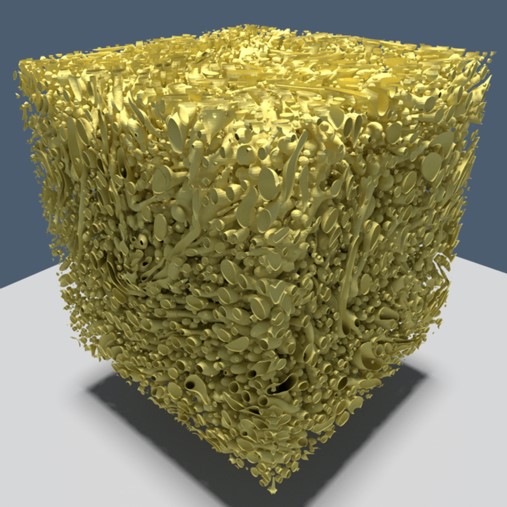
We focus on the study at the nanoscale of biomolecular process in life and disease, such as protein liquid-liquid phase separation and protein self-assembly, as well as characterising advanced functional surfaces and materials. To pursue this objective, we develop and apply transformative single molecule imaging and spectroscopic technologies based on scanning probe microscopy to open a new research front and window of observation in Soft Matter.
Frieder Mugele
University of Twente
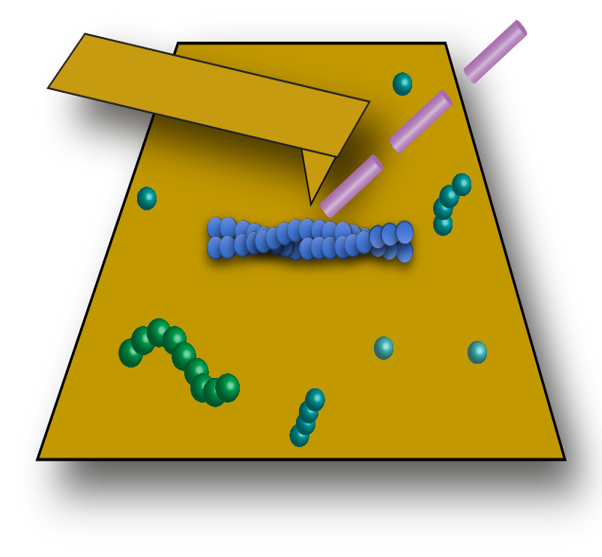
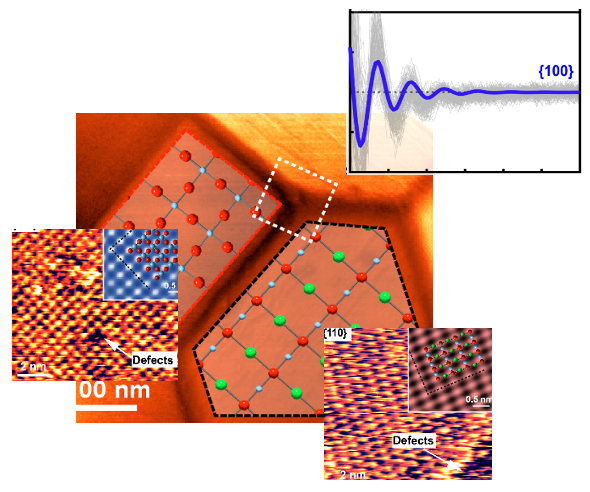
The Physics of Complex Fluids group is interested in a variety of phenomena at usually responsive, adaptive, and/or reactive solid-liquid interfaces. Our primary approach is to characterize interfacial processes (wetting, photo/electrochemistry, dissolution&precipitation) experimentally from microscopic to macroscopic scales. Experimental techniques include foremost high resolution atomic force microscopy and spectroscopy at the smallest scales and various forms of optical (e.g. interferometry, confocal fluorescence & Raman) microscopy, often complemented by analytical and numerical modelling.
Gijsje Koenderink
Delft University of Technology
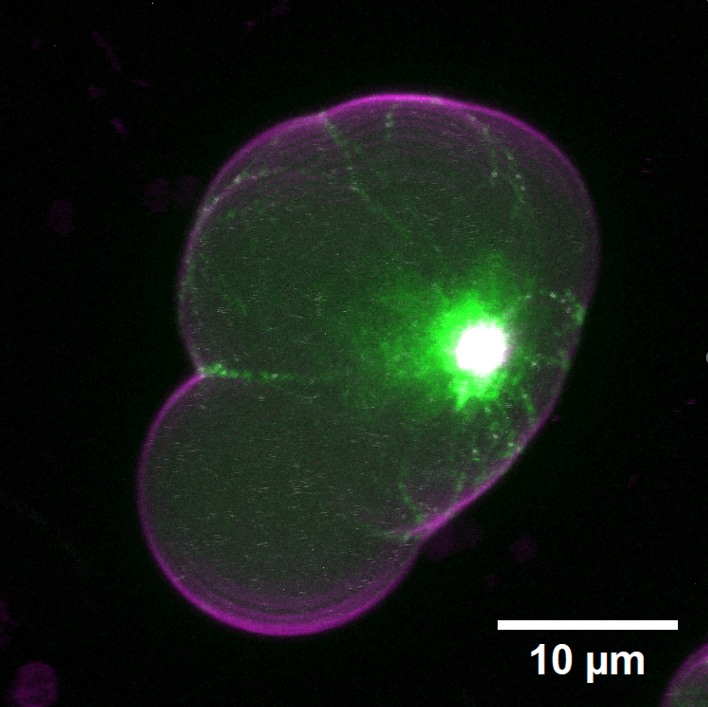
The Koenderink lab is an experimental research group centered around the soft matter physics of living matter. The central aim is to understand the physical mechanisms that enable living matter (cells and tissues) to combine mechanical strength with the ability to actively generate forces and change shape. To this end, we combine concepts and methods from soft matter physics, biophysics, synthetic biology, and mechanobiology, including rheology, microscopy, AFM, optical tweezers and microfluidic devices. We connect our fundamental research to applications in food and biomedical biomaterials and implications of abnormal cell/tissue mechanics for cancer metastasis, fibrosis, osteoarthritis and thrombosis.
H.Burak Eral
Delft University of Technology
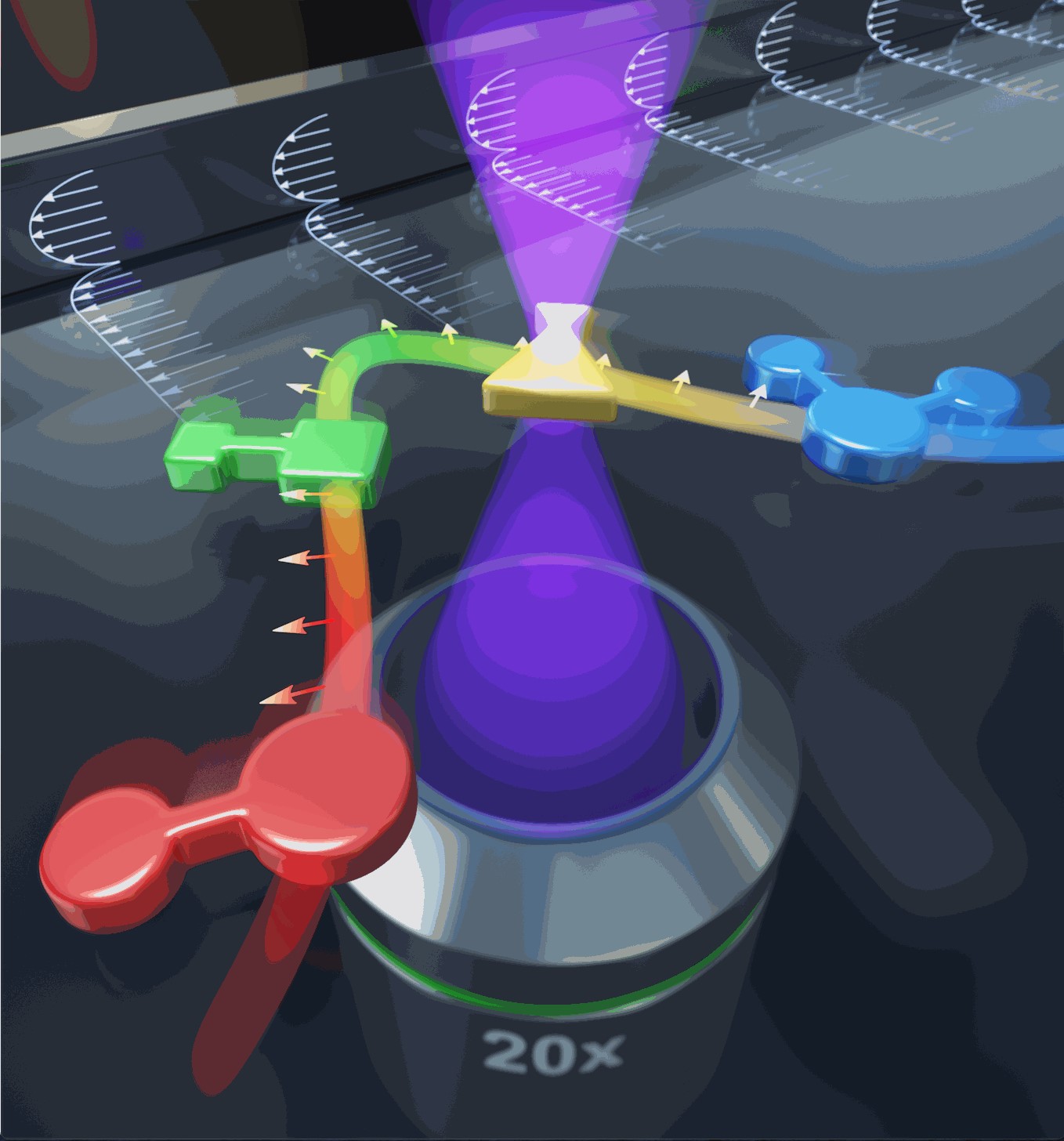
Our group’s interest is at the intersection of soft matter, transport phenomena and crystallization. We focus on fundamental principles governing out-of-equilibrium manufacturing/separation processes involving flow, phase transitions (particularly, crystallization, polymorphism) and complex fluids. Leveraging this fundamental understanding, we design sustainable processes and tailored soft materials contributing to societal challenges in water scarcity, energy transition and food security. We combine experimental techniques (microfluidics, high speed microscopy, rheology and scattering) and theoretical approaches (analytical & simulation techniques).
Hanneke Gelderblom
Eindhoven University of Technology
Our work lies at the interface between soft matter and fluid dynamics. In particular, we study the interaction between interfacial flows and soft (biological) materials such as bacteria, eukaryotic cells or proteins. In our research we aim to combine exciting physics with applications in biology and (biomedical) engineering.
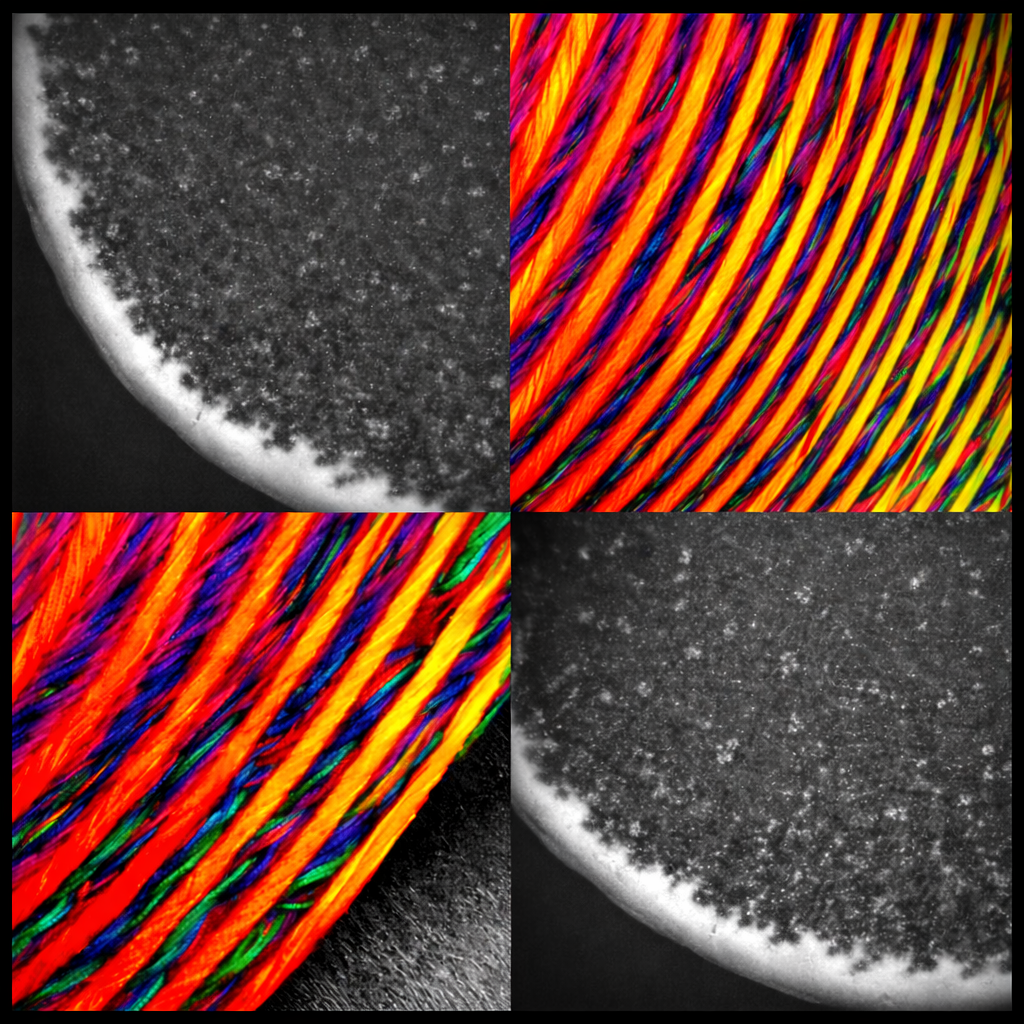
Hans Wyss
Eindhoven University of Technology
We use and develop experimental tools to study the structure, dynamics and rheology of soft materials, thereby revealing the physical mechanisms that govern their behavior. Current topics include the mechanics of cells and soft microgel particle systems, the use of microfluidics to control and study soft matter, colloids with anisotropic interactions, and the development of new mechanical probes.
Ioana M. Ilie
University of Amsterdam
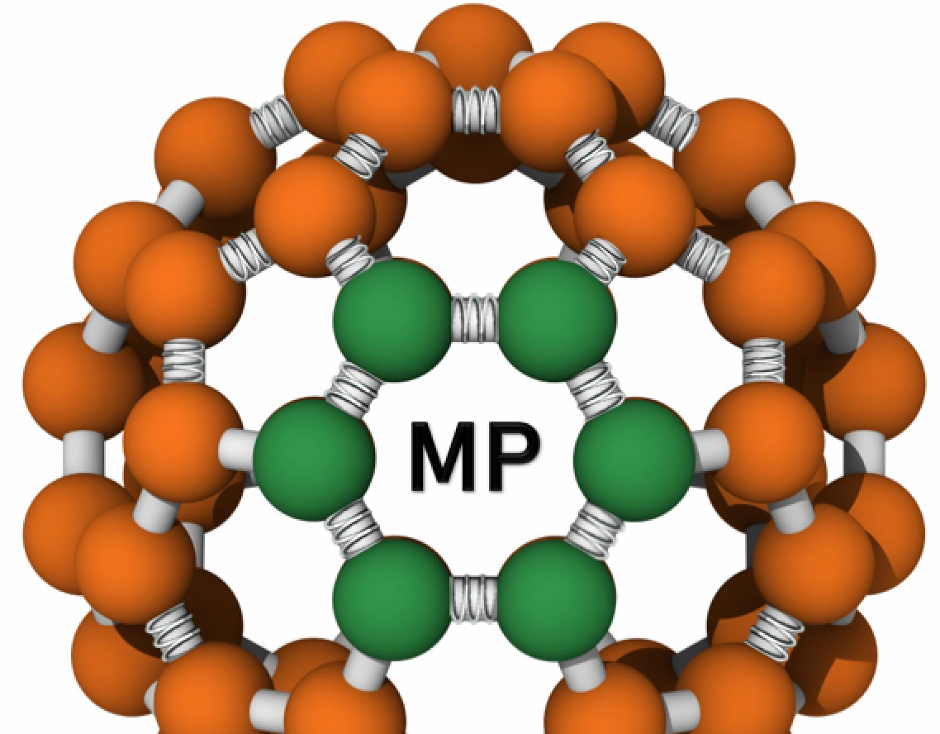
We are interested in understanding the multiscale the organization of soft matter systems, including proteins and materials, in and out of equilibrium. More specifically we develop multiscale computational tools aiming to:
1. Understand & control protein phase transitions and their response to the biological environments;
2. Develop & design modulating bioinspired agents with targeting abilities, e.g. peptide-based therapeutics (also using AI);
3. Develop smart (bio)materials with tunable and responsive properties.
Janne Mieke Meijer
Eindhoven University of Technology
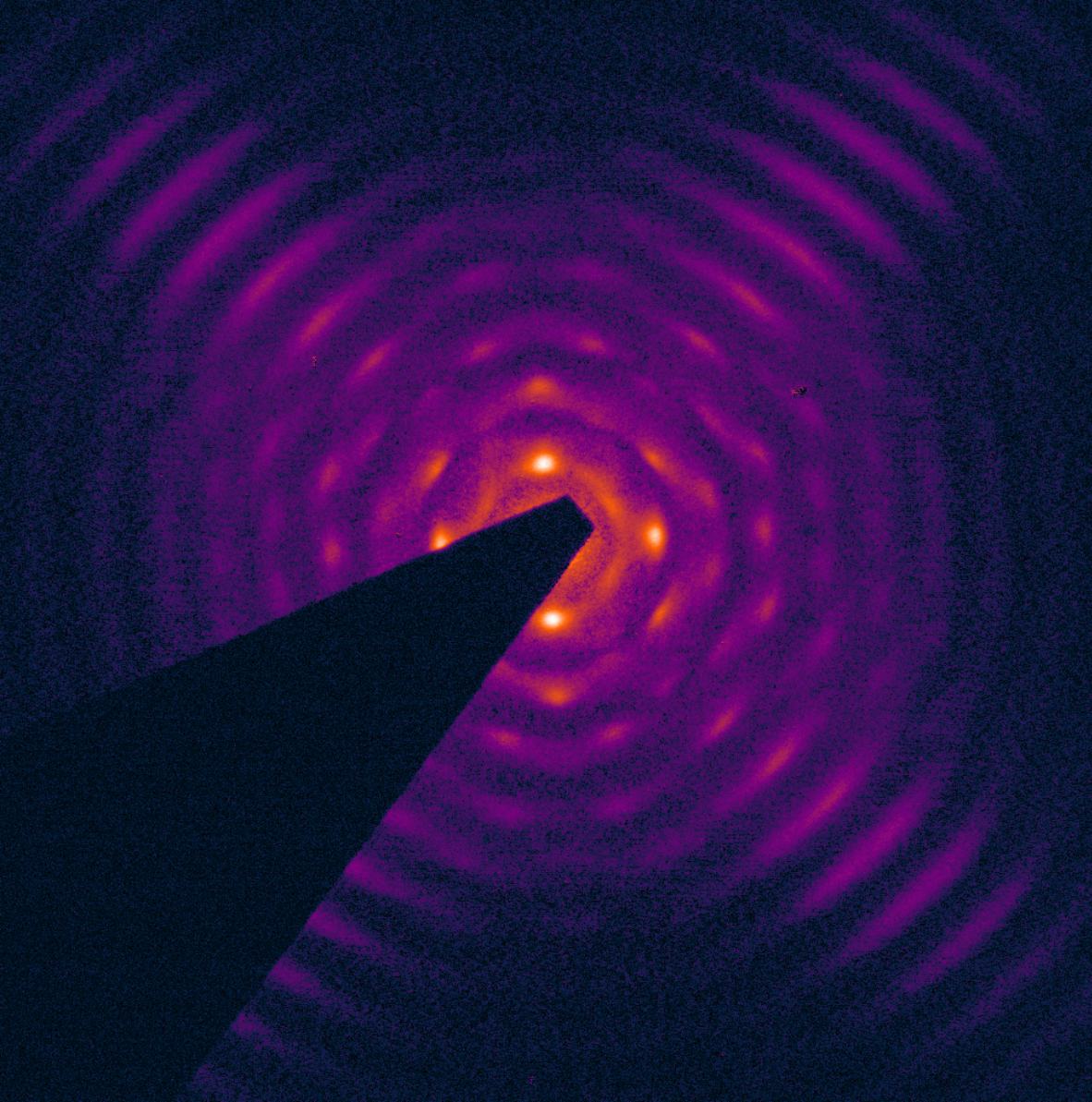
Our group studies complex colloids and their self-assembly to understand how building block properties, interactions and overall assembly kinetics influences superstructure formation and phase transitions. The group combines quantitative real-space microscopy investigations with light and x-ray scattering techniques to obtain unique insights into the underlying microscopic structure, physical mechanisms and dynamics of colloidal self-assembly. Current projects include the self-assembly of anisotropic colloids, defects and dynamics in colloidal crystals and phase transitions in soft microgel systems.

Jasper van der Gucht
Wageningen University & Research
The Wageningen Soft Matter group works on a range of diverse topics, in which macromolecules generally play an important role. Specific topics include: foams, emulsion and ionic liquids; dense particle systems; biomimetic materials; molecular modelling; proteins and engineered protein polymers; self-assembly of micelles, membranes and vesicles; hydrogels. We aim at analysing soft materials from a physics point of view and manipulating them using chemical tools and expertise.
Joost de Graaf
Utrecht University
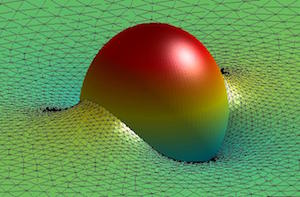
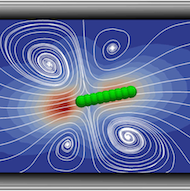
Our research focuses on the study of hydrodynamic flow in colloidal systems that have a close relation to biology, where physical modeling can give insights into biomedically relevant problems. Specifically, we are interested in the effect of nonlinear response of the fluid medium (viscoelasticity) on the motion of out-of-equilibrium particles and model swimmers therein, think bacteria moving through mucus. In addition, we study the effect of simple fluid flow on large numbers of colloids, e.g., colloidal gels, and the effects of electrokinetic flow on the transport of particles and ions through nanopores. We employ lattice Boltzmann, finite element methods, Stokesian dynamics, molecular dynamics, Monte Carlo, and a host of analytic techniques to tackle these problems.
Joris Sprakel
Wageningen University & Research
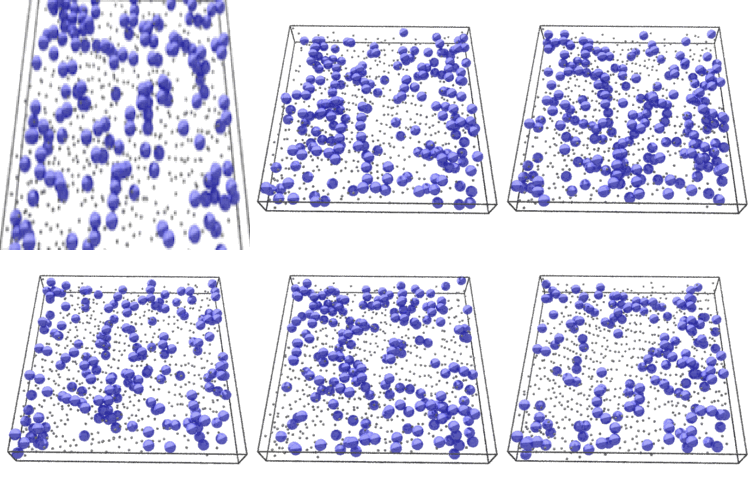
We study and develop new responsive colloidal and polymeric systems. A major aim is to identify the mechanisms for catastrophic macroscopic phenomena such as fracture, melting and phase inversion at which microscopic structures, stresses and thermal fluctuations all become of significance. We also work on manipulating this interplay at the microscopic level to create new materials with enhanced functionality.
Joshua Dijksman
University of Amsterdam
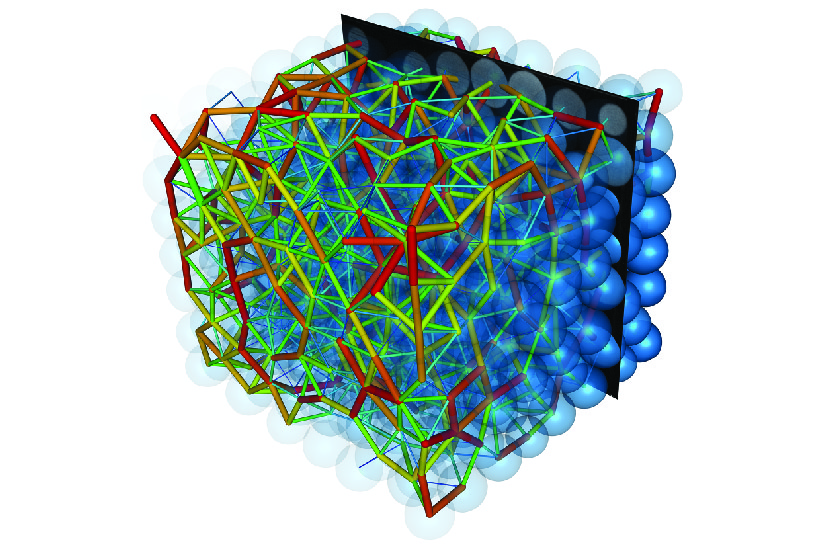
We are interested in the mechanical behavior of structured materials. In particular, we aim to understand how microstructure and interparticle forces combine to generate the surprising solid/fluid dynamics in for example soft particle packings, suspensions, granulates and other athermal particulate systems. To gain insight in these microscopic features, we develop new experimental tools such as macroscopic three dimensional microscopy, photo-elastic stress imaging and novel rheological methods. In addition, we combine 3D printing, video microscopy and other experimental techniques to explore the mechanics of soft friction and the flow behavior of active matter.
Kees Storm
Eindhoven University of Technology
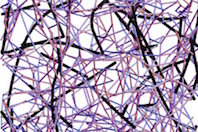
We are a theory group, focused on predictive modeling of the mechanical properties of soft, mostly biological, materials: Biopolymers, lipid bilayer membranes, biological and biomimetic network materials. We use analytical theory, Monte Carlo and MD simulations to better understand the relation between microscopic properties, spatial organization and, ultimately, macroscopic response.
Liesbeth Janssen
Eindhoven University of Technology
We are interested in soft matter systems that are inherently out of thermodynamic equilibrium, ranging from non-crystalline polymers and glasses to active and living matter. We employ a combination of statistical-mechanical theory, analytical modeling, and computer simulations to study the structural, dynamical, and mechanical response properties of such materials. The aim is two-fold: firstly, we seek to gain new fundamental insight into the physics of soft and living matter, focusing mainly on the relation between microstructure and emergent dynamics; secondly, we aim to develop new theoretical tools that will ultimately allow us to rationally design, control, and optimize functional materials with adaptive, life-like, and “smart” properties.

Luca Giomi
University of Leiden and Lorentz Institute
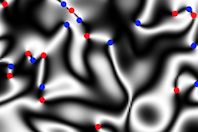
We are interested in understanding the mechanics of soft materials, of which biological materials are prominent examples. Soft materials are those that can be easily deformed by external stress, electromagnetic fields or just thermal fluctuations: in other words everything that is wet, squishy or floppy. To pursue this, we use a combination of analytical techniques, numerical simulations and, from time to time, some simple experiment.

Marjolein Dijkstra
Utrecht University
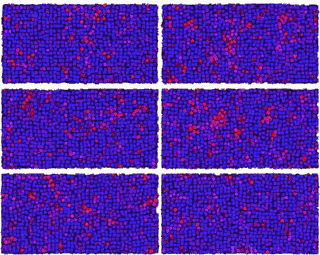
Our research focuses on theory and computer simulations of soft condensed matter systems to study physical phenomena like phase transitions, glass and jamming transitions, gelation, and nucleation in bulk systems and systems subjected to external fields like sedimentation, electric fields, etc. We employ Monte Carlo, (event driven) Molecular and Brownian Dynamics simulations, Stochastic Rotational Dynamics simulations to include hydrodynamics, Umbrella and Forward flux sampling, and simulated annealing techniques to predict densest packings, candidate (crystal) structures and to determine the (non)-equilibrium phase behavior of colloids, nanoparticles, liquid crystals, etc.
Mark Vis
Eindhoven University of Technology
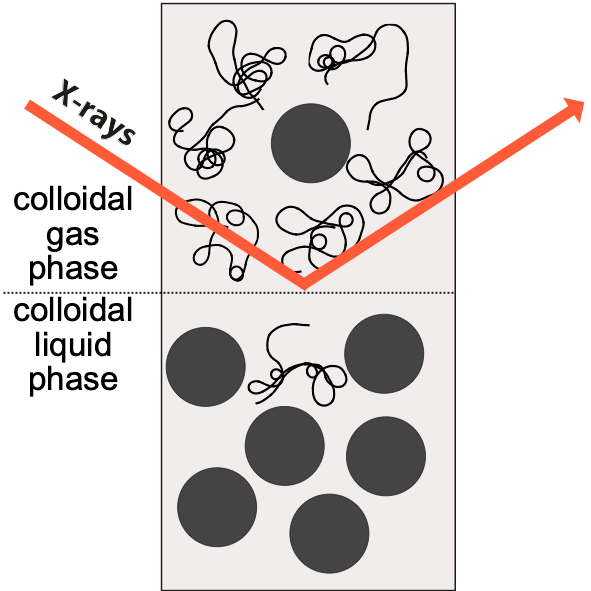
We want to deepen our understanding of depletion interactions in colloid–polymer mixtures and the phase behavior of these systems. Our focus is to move towards more realistic and more complex systems, featuring for instance charged species or anisotropic particles. We further focus on quantifying the structure of interfaces in these phase-separated colloidal systems. We approach these topics through a combination of theoretical and experimental methods, such as free-volume theory, self-consistent field computations, and light and X-ray scattering. Additionally, we work on (deep) eutectic solvents, which we similarly approach from both theory and experiments.
Marleen Kamperman
Zernike Institute for Advanced Materials
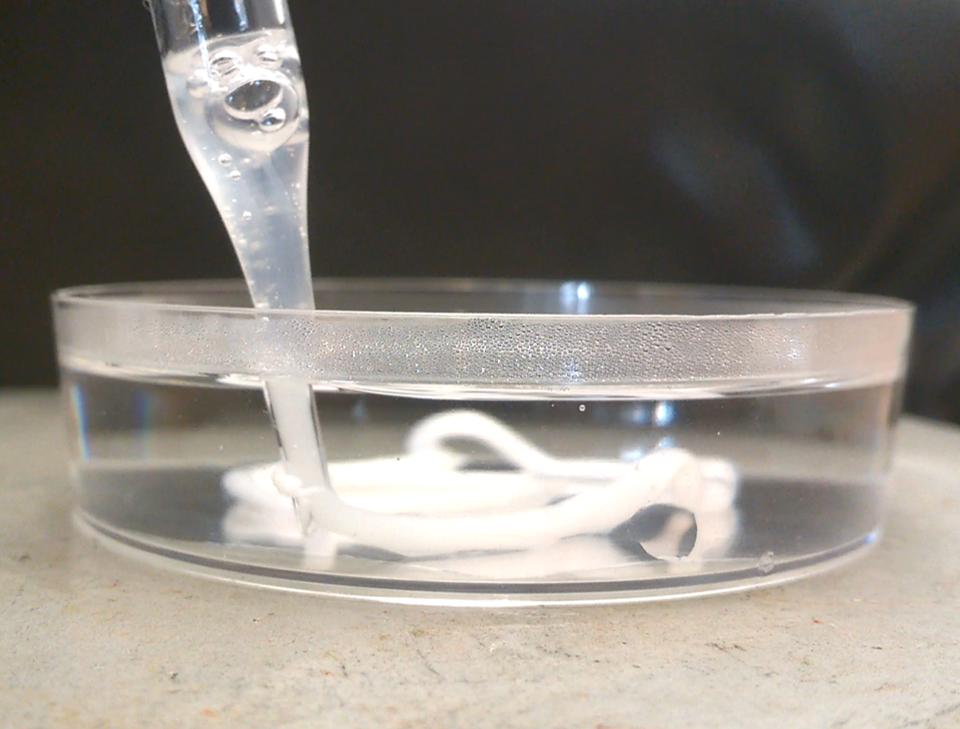
Our group develops bioinspired polymeric materials by learning from how nature processes and assembles matter. We design and synthesize functional (block co-)polymers that mimic natural systems such as mussels, sandcastle worms, and spider silk. By studying complex coacervates and hierarchical self-assembly, we create new classes of sustainable adhesives, fibers, and coatings that can function in challenging environments like underwater or biological settings. Combining polymer chemistry, materials processing, and soft matter physics, we aim to uncover design principles for next-generation functional materials.
Martin van Hecke
AMOLF and Leiden University
We investigate flexible and frustrated matter, combining experiments, simulations and theory. We develop programmable, shape-shifting and self-folding metamaterials which straddle the boundary between material and machine. We are exploring how complex materials, from metamaterials and crumpled sheets to networked matter, can be used to process information, adapt, and learn.

Mazi Jalaal
University of Amsterdam
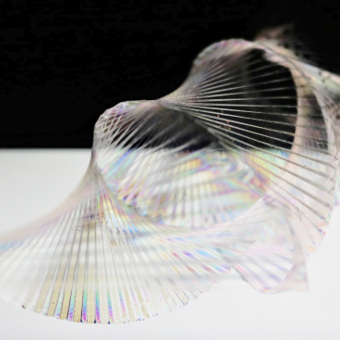
We study systems in and out of equilibrium across scales, from elasto-viscoplastic fluid flows to the biophysics of organisms across the tree of life, spanning single-cell algae, animals, and plants. Combining theory, computation, rheology, microfluidics, and advanced imaging, we uncover how structure, mechanics, sensing, feedback, and learning shape transport, deformation, and active behaviors.
Michael Lerch
University of Groningen, Stratingh Institute for Chemistry
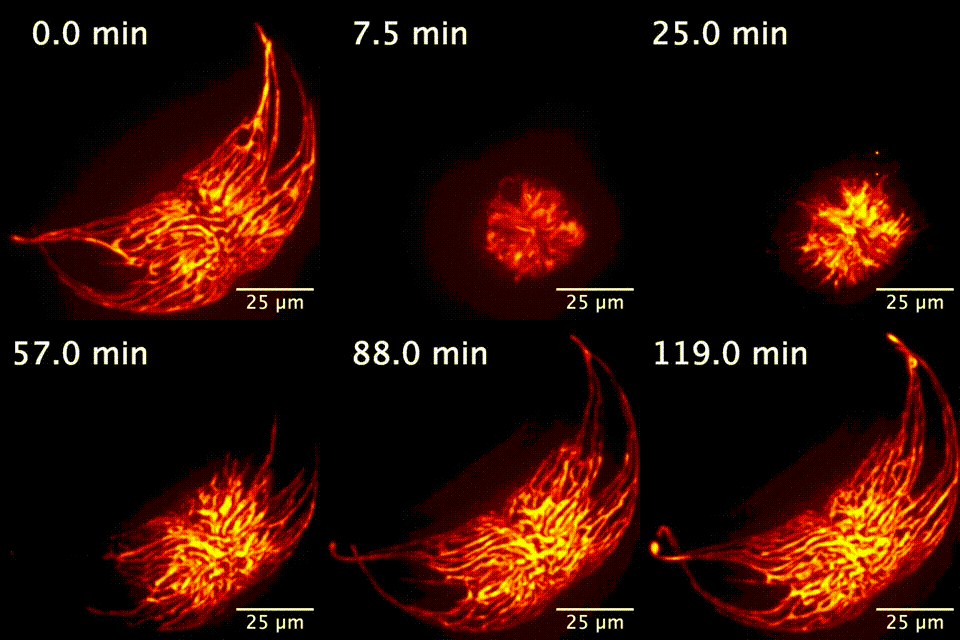
In the Autonomous Soft Materials Research group, our goal is to design and fabricate new soft (robotic) materials that can make decisions, self-regulate, coordinate their action, and move autonomously! Towards this goal, we will build on and accelerate academic and industrial developments within systems, supramolecular, and mechanochemistry, active and soft matter physics, and materials engineering. We believe that chemistry can provide new solutions for material automation, providing novel types of operating systems and hardware that can automate (micro)robots and polymeric coatings for applications in biomedical and industrial settings.
Patrick Onck
University of Groningen
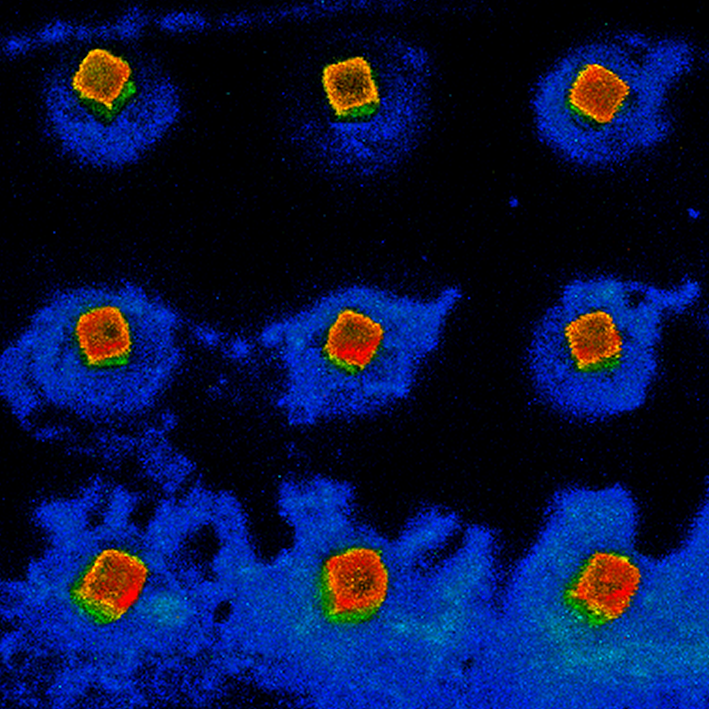
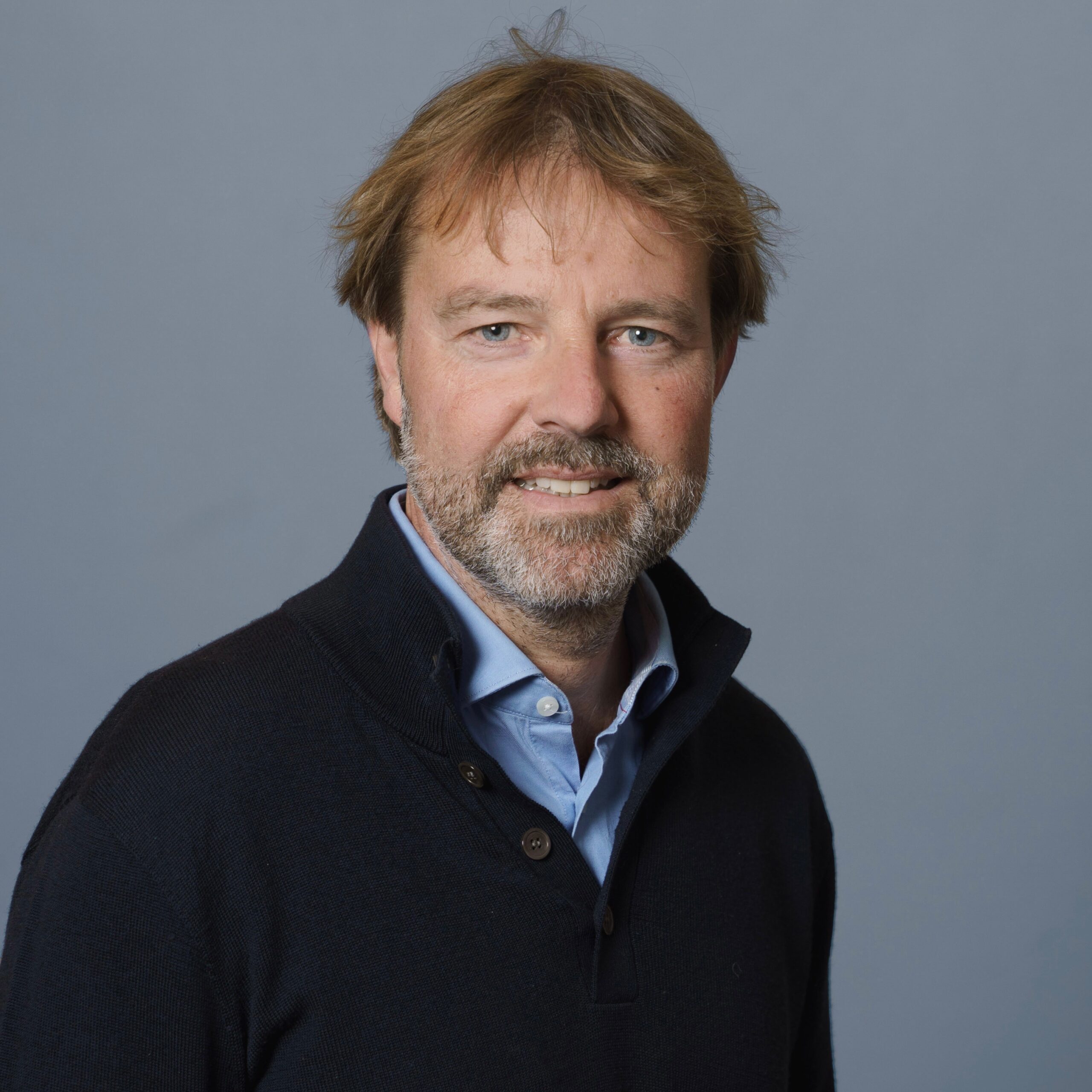
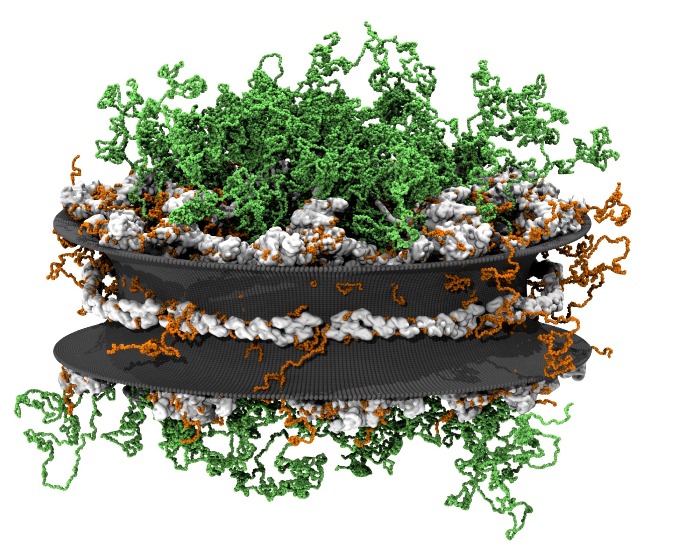
In my group we use all-atom and coarse-grained molecular dynamics simulations to understand the role of intrinsically disordered proteins and nucleic acids in liquid-liquid phase separation and nuclear transport through the NPC. We also study the disorder-to-order transitions from the dynamic, liquid state into the solid state of amyloid fibers.
Patrick van der Wel
University of Groningen
Solid-state NMR spectroscopy group at the University of Groningen’s Zernike Institute for Advanced Materials. We develop solid-state NMR methods and apply them to various types of ‘soft matter’: our traditional focal points have been in a biological context, such as protein condensates, lipid nanoparticles, and (polysaccharide) hydrogels. We also collaborate on topics related to polymers and other human-made materials. Particular interests include the use of magic angle spinning NMR to probe dynamics, solvent-matter interactions, and photochemical processes. In ‘harder’ materials we also look for atomic-level structures, e.g. in protein amyloid fibril cores.
Paul Kouwer
Radboud University
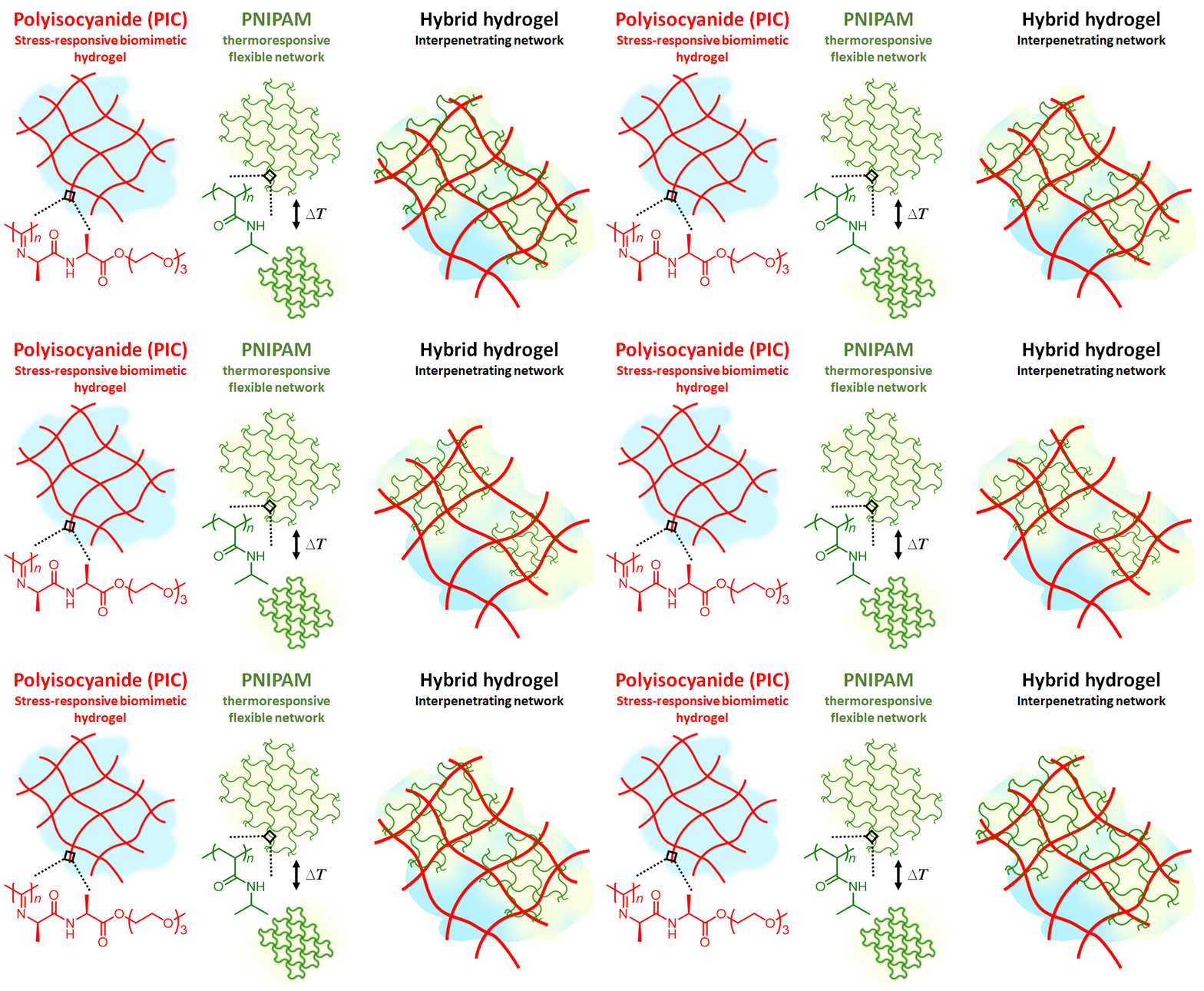
The Molecular Materials group at Radboud University develops new synthetic hydrogels. The gels are based on polyisocyanides that reversibly gel when heated beyond room temperature. The semi-flexible nature of the polymer chains in combination with the fibrous architecture makes the gels very similar to collagen or fibrin gels, but with synthetic materials, we have much more control over their molecular structure and, hence the gel properties. Part of the group studies how we can (in situ) manipulate the mechanical properties of the gels; the other part manipulates the hydrogel to direct cell behaviour.
Paul van der Schoot
Eindhoven University of Technology
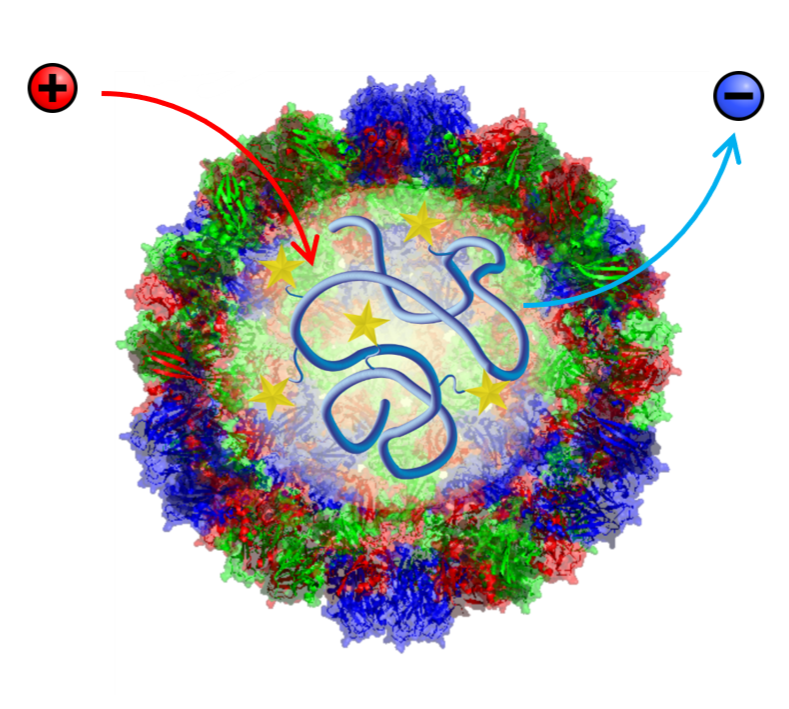
We apply statistical mechanical theory to problems in liquid crystals, colloids, polymers and supramolecular assemblies such as viruses and virus-like particles. The toolbox we make use includes scaling theory, classical density functional theory as well as Brownian and molecular dynamics simulations. We focus on equilibrium properties and phase behaviour but also on non-equilibrium aspects such as the response of soft matter systems to external perturbation. Inspiration is taken from experimental observations and practical (industrial) applications, and we collaborate with a diverse group of theoreticians, experimentalists and simulators.
Peter Bolhuis
University of Amsterdam and Amsterdam Center for Multiscale Modeling
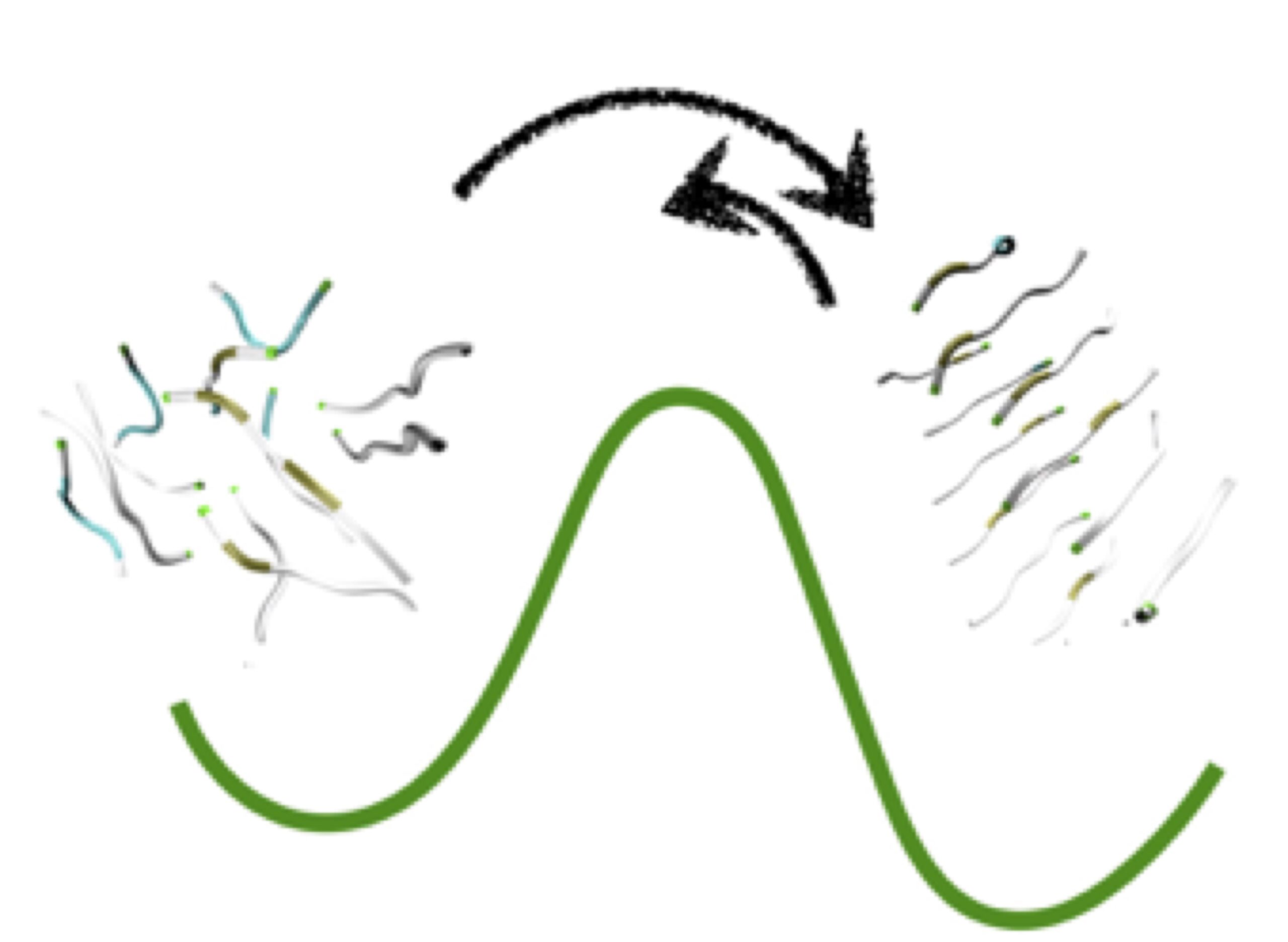
We study rare events in soft matter and biomolecular systems, including folding of proteins, biomolecular isomerization and association, soft matter self-assembly and nucleation, and active matter transitions. In order to gain insight in such processes and make predictions, we conduct multiscale modeling simulations using rare event and coarse-graining techniques. In addition, we develop novel advanced simulation methods, including machine learning based techniques. The final aim is to predict biophysical and soft matter properties, to understand complex systems and design novel materials.
Peter Schall
University of Amsterdam
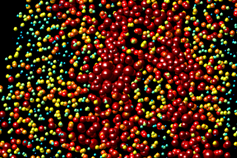
We investigate soft condensed matter at the micron scale – crystallization and phase separations, solid and liquid-like behavior, elastic and plastic properties. Using three-dimensional microscopic imaging and light scattering we bridge length scales from the particle scale to macroscopic lengths, thereby linking the microscopic behavior of these materials to their macroscopic properties.
Remco Tuinier
Eindhoven University of Technology
In the Laboratory of Physical Chemistry we study the i) self-organization of colloids and polymers for the controlled encapsulation of compounds that need protection and/or need to be released at a desired rate, ii) phase behaviour (and dynamics) of colloidal and colloid-polymer mixtures and iii) polymers & colloids at surfaces. Topic ii aims at gaining a better understanding of the phase stability and dynamics in complex mixtures of colloids and polymers and bringing the knowledge towards mixtures in which the particles have realistic interactions (such as charges, soft repulsions). Theme iii involves the development of advanced (modified) surfaces for anti-(bio)fouling, controlled absorption/release and specific (bio)adhesion using tuned chemistry and topography.

René van Roij
Utrecht University
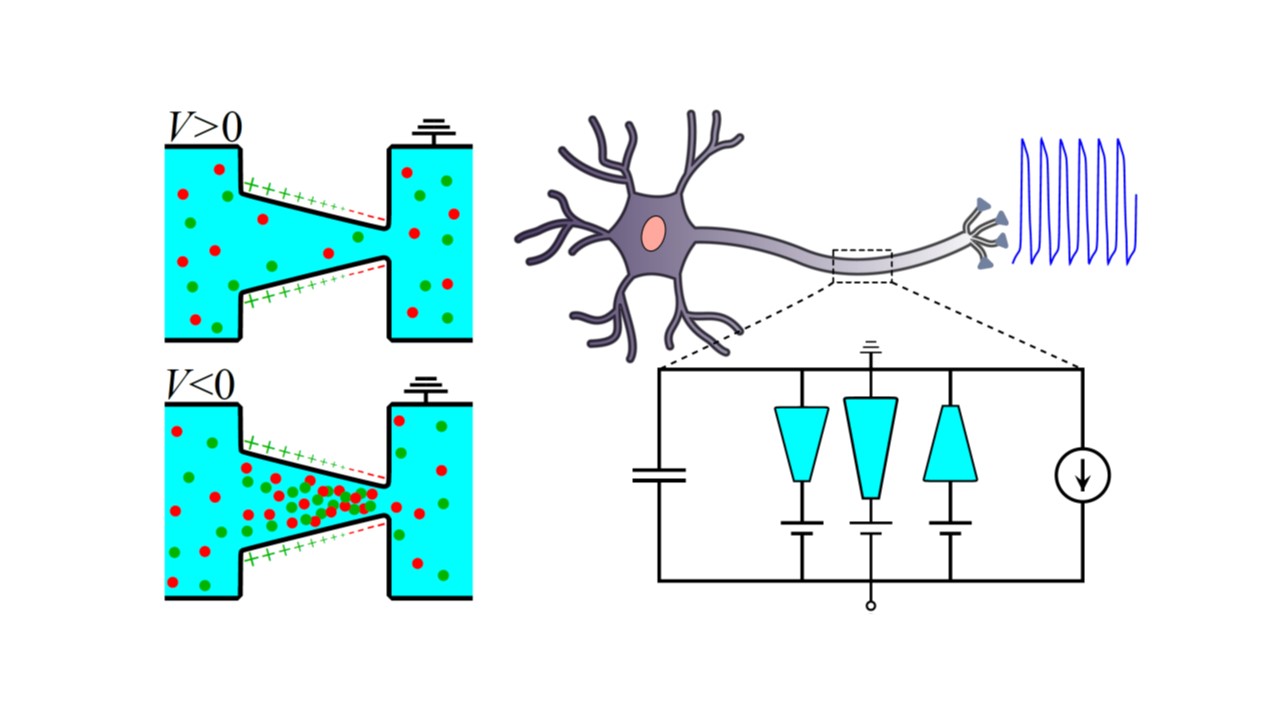
We study iontronic phenomena in microfluidic circuits of aqueous electrolytes and colloidal dispersions, often in collaboration with experimental and computational groups. Here the motivation stems not only from the application of iontronic memristors to realise energy-efficient neuromorphic computing with brainlike (soft) materials, but also from the versatile trainability of iontronic neural networks (by voltage, pressure, chemicals) for applications in physical learning. We also model the properties of surface charge at fluid-solid interfaces (electric double layer, Stern layer, supercapacitors) coupled to fluid flow and electrochemical redox processes. Other research topics include liquid-crystalline and solid electrolytes and machine-learning classical density functional theory.

Siddharth Deshpande
Wageningen University & Research
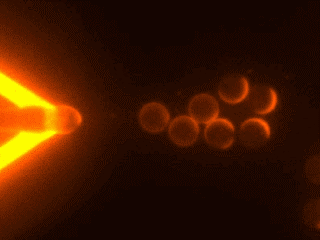
At the EmBioSys Lab, we study emergent properties of biological systems. We are a team of interdisciplinary scientists keen to understand how biomolecules self-organize to give rise to life. The other side of this fundamental exploration is to design bio-inspired, minimal functional modules to take a step closer towards synthetic cells. We are currently focussing on understanding cellular morphogenesis, especially the interplay between cytoskeleton, membranes, and biomolecular condensates. In parallel, we develop microfluidic techniques to achieve controlled experimentation and are further expanding towards biosensing.

Thomas Kodger
Wageningen University & Research
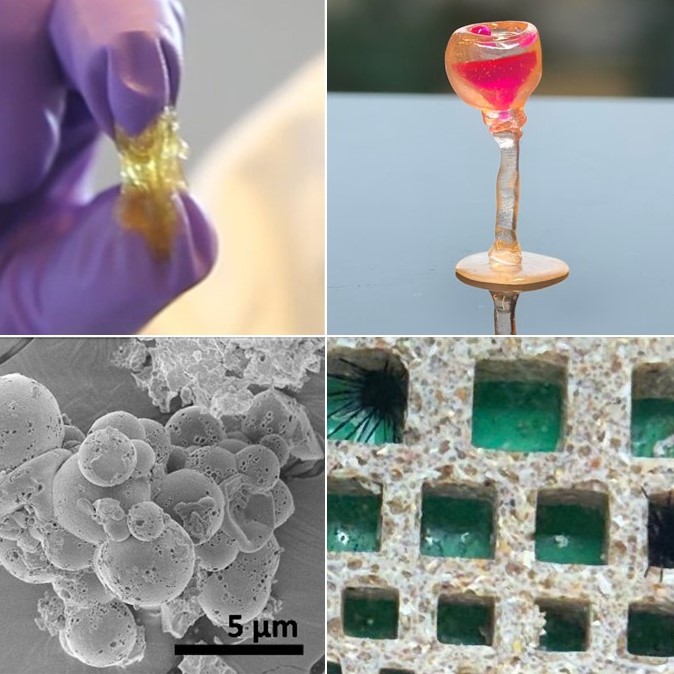
Our work involves designing soft materials that solve challenges. Combing both soft matter principles and molecular chemistry allows us to investigate the dynamics and final state of these materials. Our experimental work involves both sophisticated scattering techniques and home-built purpose-built equipment. We work closely with academic and industrial collaborators ranging from marine scientists to horticultural growers.
Valeria Garbin
Delft University of Technology
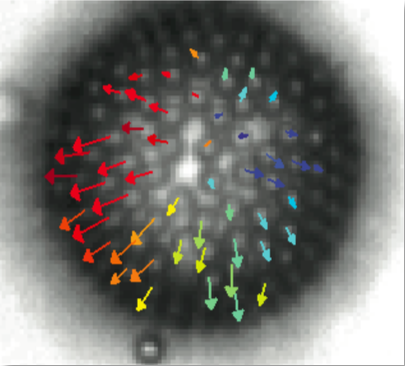
We are interested in the behavior of soft materials under flow and deformation, particularly the extreme deformation conditions of cavitation for biomedical ultrasound and industrial processing flows for advanced materials. We study microscale transport phenomena in soft and biological matter using high-speed video microscopy, microfluidics, acoustofluidics, small-angle X-ray scattering, optical tweezers, acoustical tweezers, and other fluidic and imaging techniques. Combining precision measurements with numerical simulations or analytical models, we aim to link the change in microstructure of a soft material to its mascroscopic properties and its performance in applications.
Willem Kegel
Utrecht University
We are interested in the mechanisms that govern the spontaneous formation of ordered structures from colloidal building blocks. Inspired by the rich complexity in biology, we develop and study new colloidal model systems in which both the geometry of the colloids and the orientation dependent interactions between them can be tuned. While emphasis is on experiments, theory plays an important role in our approach.
Wouter Ellenbroek
Eindhoven University of Technology
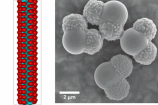
We research the physical foundations of novel (often bio-inspired) materials that respond to their environment in interesting or useful ways. Using and developing numerical methods such as molecular dynamics, as well as analytical tools based in statistical physics, we study the (two-way!) interplay between mechanical forces and structural properties of novel responsive materials.
Wouter Roos
Rijksuniversiteit Groningen
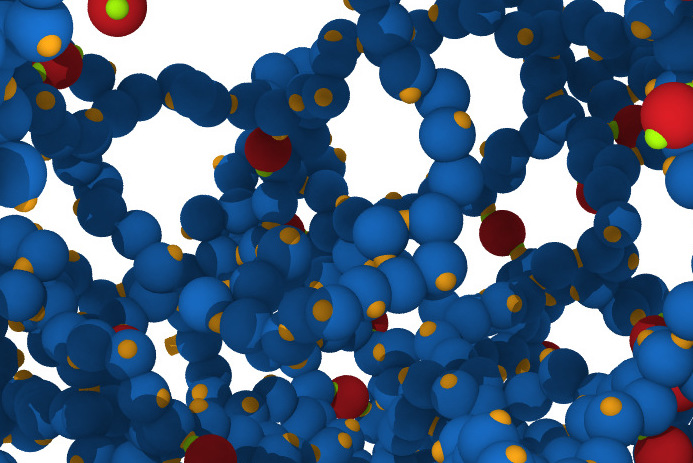
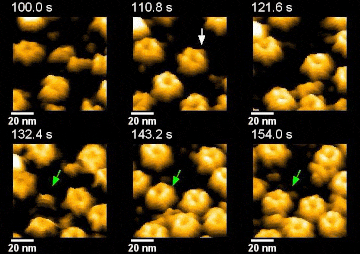
In our lab we study structure, function and dynamics at the (sub)-molecular level. Research topics include the mechanics and self-assembly of viral capsids, assembly and disassembly of synthetic & biological polymers and the mode of action of antibiotics. We study these dynamic processes with various biophysical techniques, including (high-speed) atomic force microscopy, optical tweezers and fluorescence microscopy. In addition we study the mode of action of antibiotics. We address all questions with an interdisciplinary team where people with backgrounds in various disciplines of life sciences, including physics, chemistry and biology, combine forces to tackle the challenging questions that arise.
Nachi Stern
AMOLF
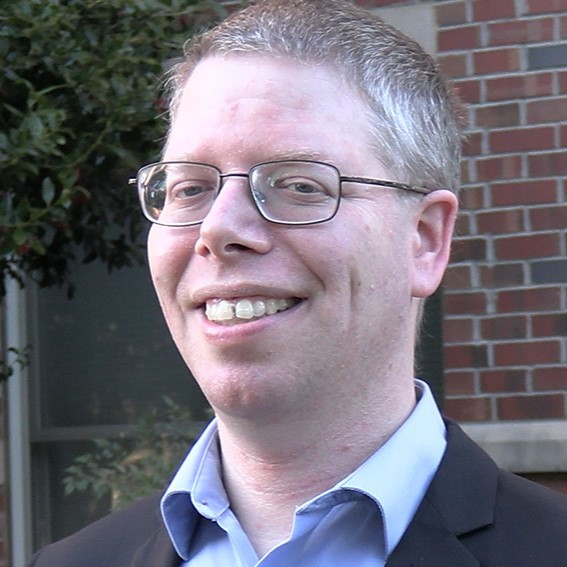
The Learning Machines group spearheads the emerging field of physical learning, studying how learning can be embedded directly into matter. Inspired by biological adaptation and computational learning theory, we explore systems that adapt their properties using simple local rules, without relying on digital computation or energy-intensive processors. This paradigm transforms matter from passive to intelligent, opening new possibilities for power-efficient AI and smart metamaterials that reconfigure themselves on demand. We combine theoretical physics, experimental design, and machine learning principles to develop scalable frameworks for adaptive materials. Our vision is to create a future where AI is not confined to silicon chips but distributed throughout the physical world.

Evan Spruijt
Radboud University Nijmegen
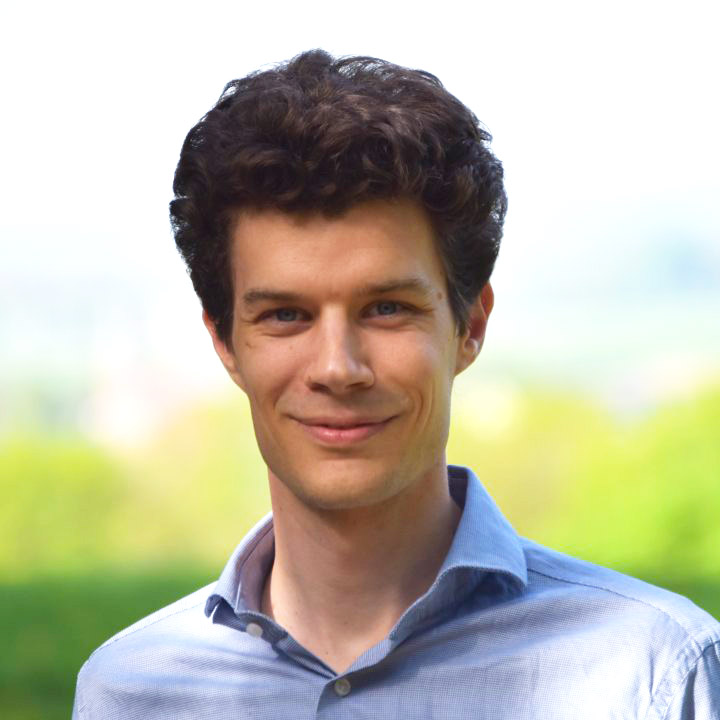
We aim to understand how molecules can self-organize into life-like systems. We use a range of bio-inspired soft materials, including coacervates, lipid membranes, nanofibres and colloids, to investigate how spatiotemporal organization, weak multivalent interactions and out-of-equilibrium dynamics can shape complex systems and give rise to functionality. Our ultimate dream is to assemble a self-dividing cell-like compartment that can undergo evolution from simple molecular and colloidal building blocks.